
Introduction
The dominant narrative in pancreatic cancer research has long positioned KRAS as the central problem. Mutated in approximately 95 percent of pancreatic ductal adenocarcinoma cases, KRAS is an obvious therapeutic target, and the logic of silencing it is straightforward on its surface. But that framing, however convenient, is incomplete. It has shaped an entire generation of drug programs around a single node in a system that was never designed to depend on one.
The result has been a consistent and demoralizing pattern: compounds that demonstrate potent activity against their intended targets in vitro, achieve clean pharmacological engagement, and then fall apart when confronted with the biological complexity of a living tumor. Understanding why this keeps happening requires stepping back from the node and looking at the network it controls. More importantly, it requires asking whether blocking a node is even the right strategy in the first place.
KRAS Drives a System, Not Just a Pathway
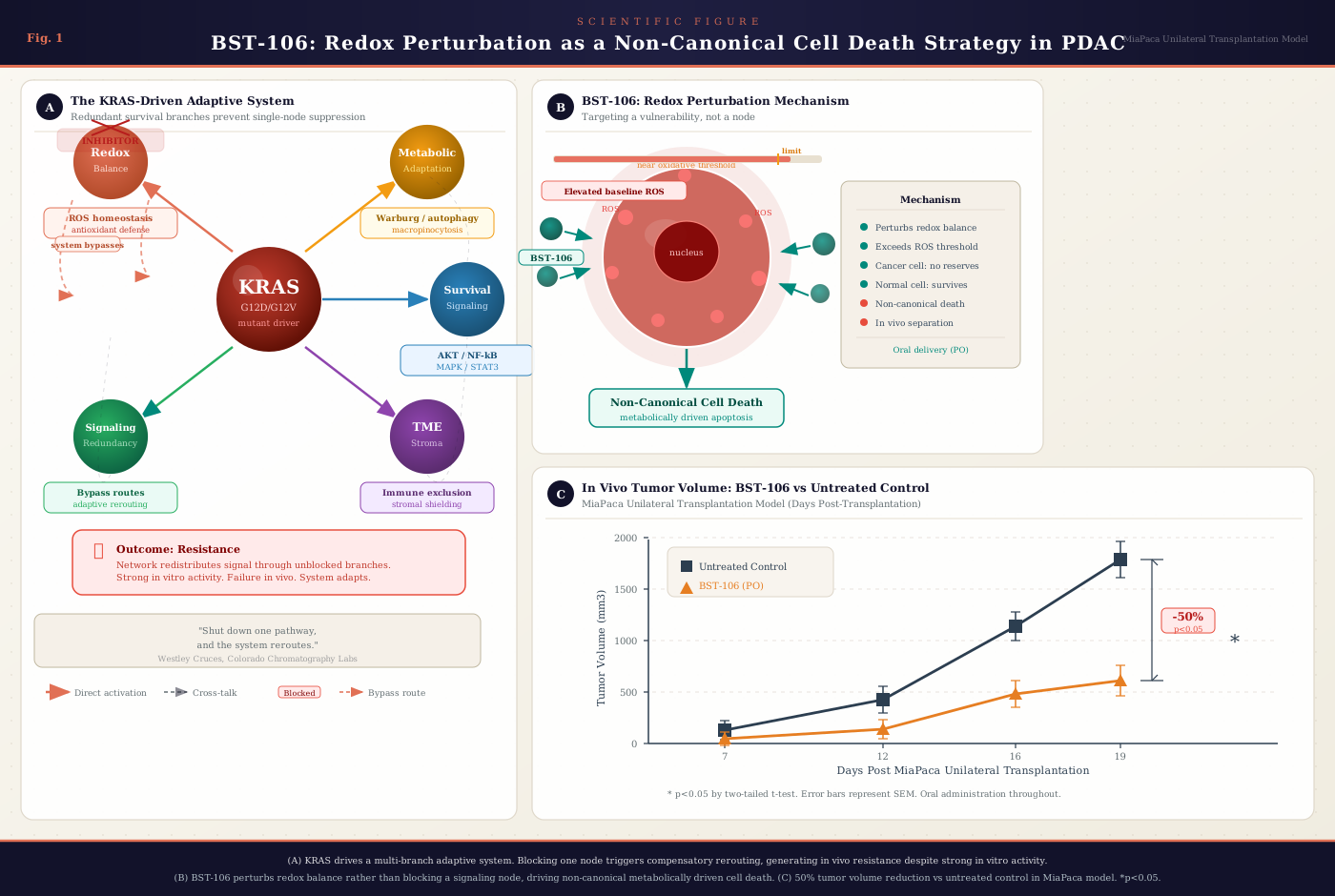
Mutant KRAS does not simply switch on a single downstream effector and drive tumor growth through a linear cascade. It activates and sustains an interlocking system of survival mechanisms that span metabolic adaptation, inflammatory signaling, and cellular stress responses. Redox balance, the equilibrium between oxidative species and antioxidant defenses, is one of the core domains that KRAS regulates. Metabolic reprogramming through the Warburg effect, macropinocytosis, and autophagy represents another. Survival signaling through AKT, NF-kB, MAPK, and STAT3 constitutes a third.
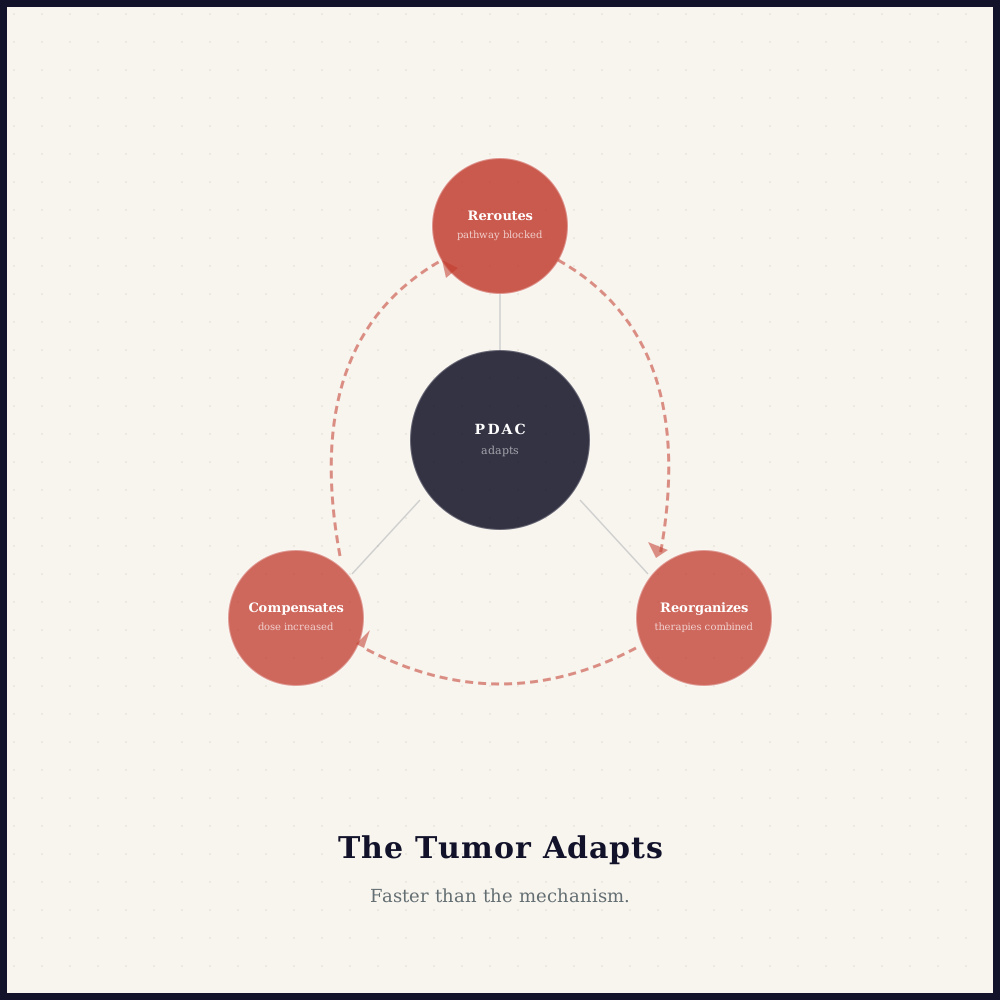
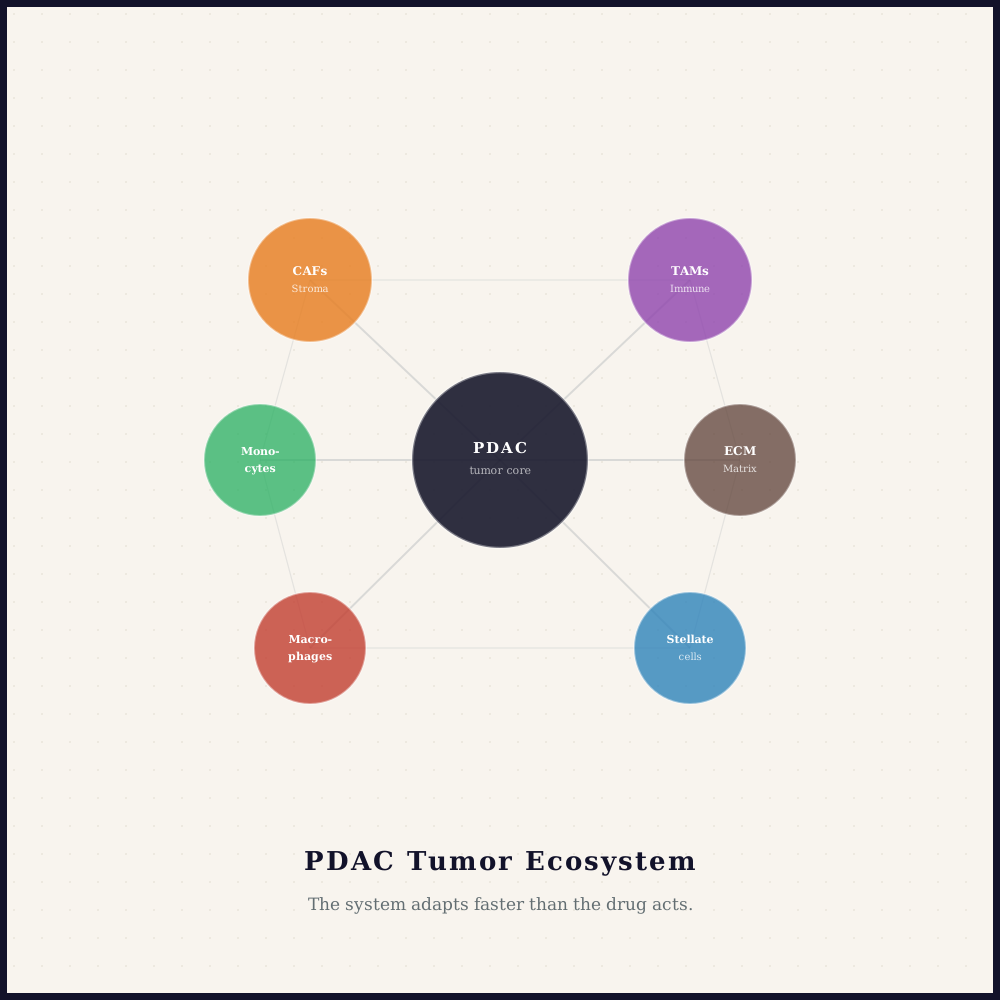
What makes this architecture so resistant to targeted intervention is the redundancy built into it. Each of these branches communicates with the others, compensating for changes in adjacent pathways and redistributing the load when one component is suppressed. The system does not rely on any single node to maintain its survival function. This is not a design flaw in cancer biology. It is a highly optimized adaptive response shaped by millions of cell divisions under selective pressure.
Why Pathway Inhibition Consistently Fails In Vivo
The translational failure of pathway-specific inhibitors in PDAC is not primarily a pharmacological problem. These compounds often achieve exactly what they are designed to do at a molecular level. Target engagement is real, signaling suppression is measurable, and in vitro cell killing is genuine. The problem emerges when the same drug encounters a tumor embedded in a living organism, where the adaptive machinery of the cancer cell has context, metabolic substrates, stromal support, and time.
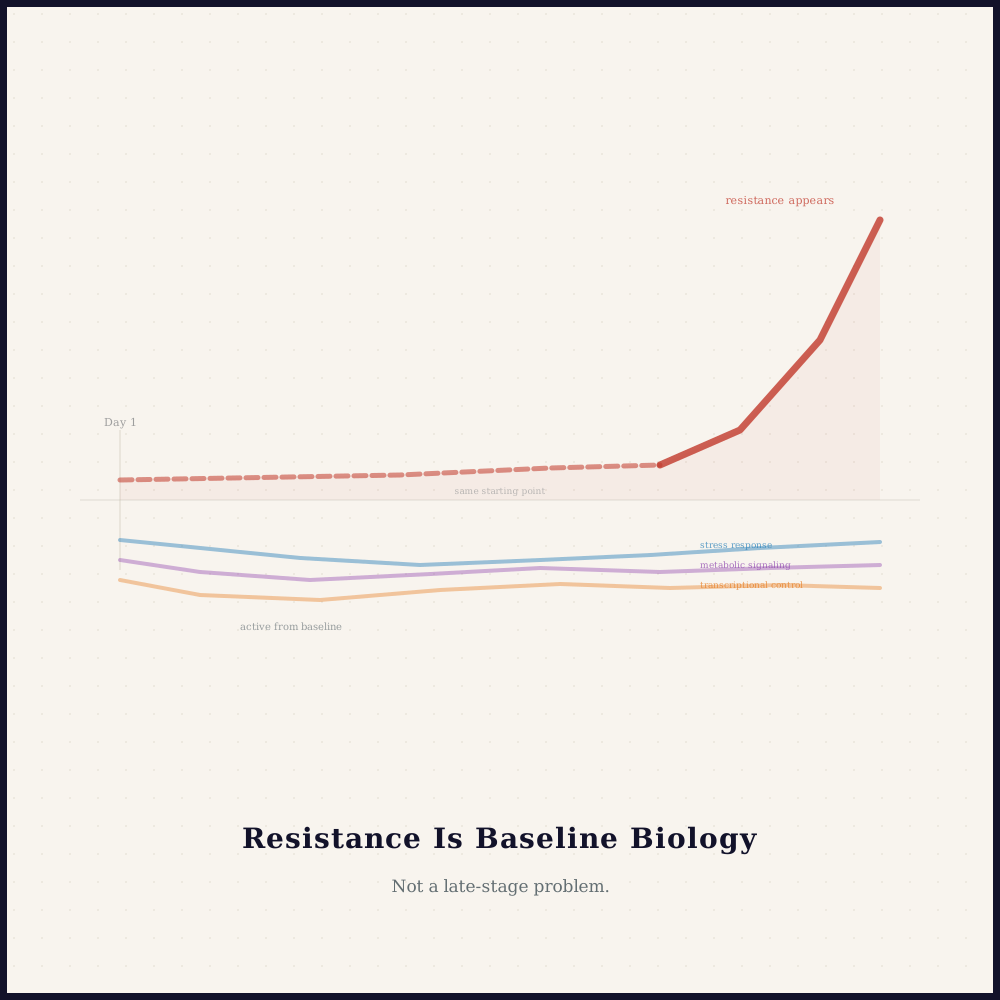
When a KRAS-mutant tumor cell detects suppression of one survival branch, the network responds by upregulating compensatory activity through the others. If MAPK signaling is blocked, AKT can absorb the survival load. If one metabolic pathway is disrupted, autophagy can compensate. The system reroutes. This adaptive capacity operates faster than most inhibitor schedules can account for, and it explains why resistance to single-agent pathway inhibitors in PDAC tends to emerge rapidly, often within weeks of initial response.
The problem is not that the drug does not work. The problem is that the system it is targeting was never vulnerable to losing one input.
Redox Perturbation as a Non-Canonical Cell Death Strategy
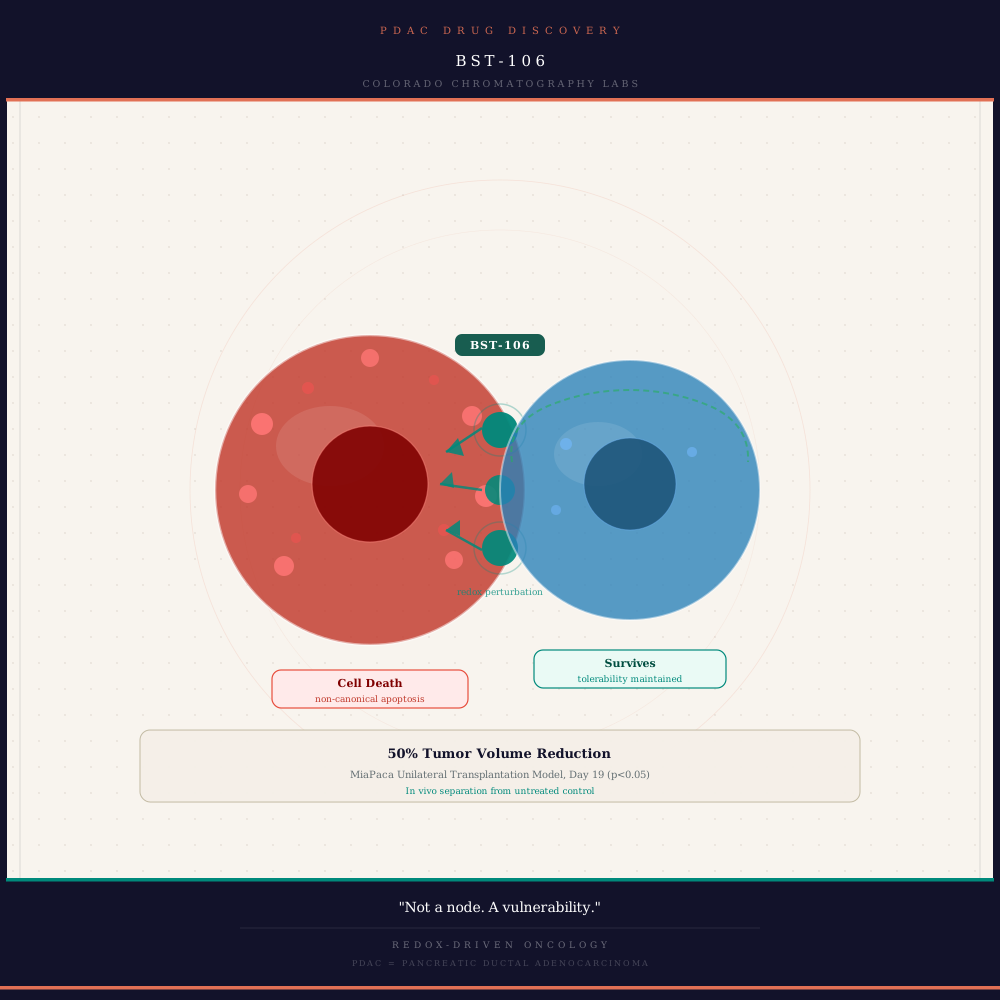
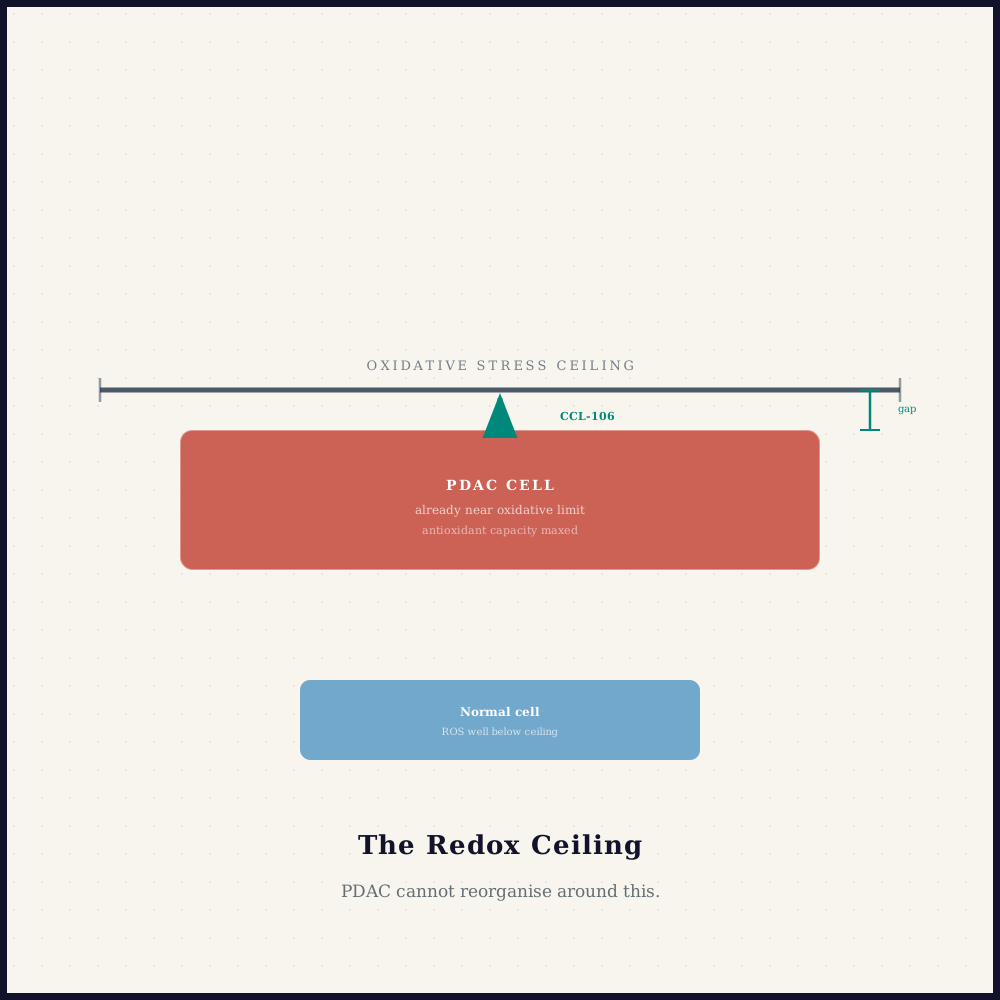
The approach taken with BST-106 starts from a different premise. Rather than selecting a signaling node and blocking its activity, the program identifies redox balance as a shared biochemical dependency that cancer cells rely on across all survival branches simultaneously. PDAC cells, because of their constitutively elevated oxidative state, operate chronically close to their maximum tolerable level of reactive oxygen species. This creates a vulnerability that is not tied to any single pathway. It is a property of the cancer cell’s overall metabolic and biochemical context.
By perturbing redox balance rather than blocking signaling, BST-106 does not give the network a pathway to reroute around. The consequence of pushing cells past their oxidative threshold is a non-canonical, metabolically driven form of cell death that is distinct from the apoptosis induced by conventional cytotoxics. This distinction matters because non-canonical death pathways are less subject to the resistance mechanisms that cancer cells have evolved to suppress classical apoptosis.
Normal cells, which are not operating near their oxidative ceiling, retain sufficient antioxidant reserves to tolerate the same redox perturbation without triggering catastrophic failure. This differential is the basis for the selectivity the program is built around.
What In Vivo Separation Actually Means
The in vivo tumor volume data from the MiaPaca unilateral transplantation model is the most scientifically meaningful output the program has produced to date. BST-106 administered orally produced approximately 50 percent reduction in tumor volume compared to untreated controls at day 19, with statistical significance at p less than 0.05.
That number deserves context. A 50 percent reduction in a resistant PDAC model with oral delivery and no observed systemic toxicity is not just a benchmark. It is evidence that the mechanistic hypothesis holds in the biological conditions that matter most. The gap between the treated and control growth curves represents what the field calls separation in vivo. It is the difference between a compound that looks promising on paper and one that survives confrontation with actual tumor biology.
Most PDAC programs never produce this kind of in vivo signal. Not because the underlying chemistry is poor, but because the mechanism they are built around is not suited to defeating an adaptive system. Redox perturbation, by attacking a shared vulnerability rather than a single node, appears to deny the network the rerouting options that have undone so many other approaches.
Conclusion
The persistent failure of KRAS-targeted and pathway-specific strategies in pancreatic cancer is not a failure of scientific rigor. It is a failure of conceptual framing. Treating a redundant, adaptive survival network as though it depended on a single switch has produced strong in vitro data and poor clinical outcomes for decades. BST-106 represents a different way of engaging with the biology of PDAC, one that starts from the cancer cell’s shared oxidative vulnerability rather than its individual signaling components. The in vivo data from the MiaPaca model suggests this approach survives the translation that has stopped so many others. That is not a minor distinction. In oncology drug discovery, it is the only distinction that ultimately matters.