
Introduction
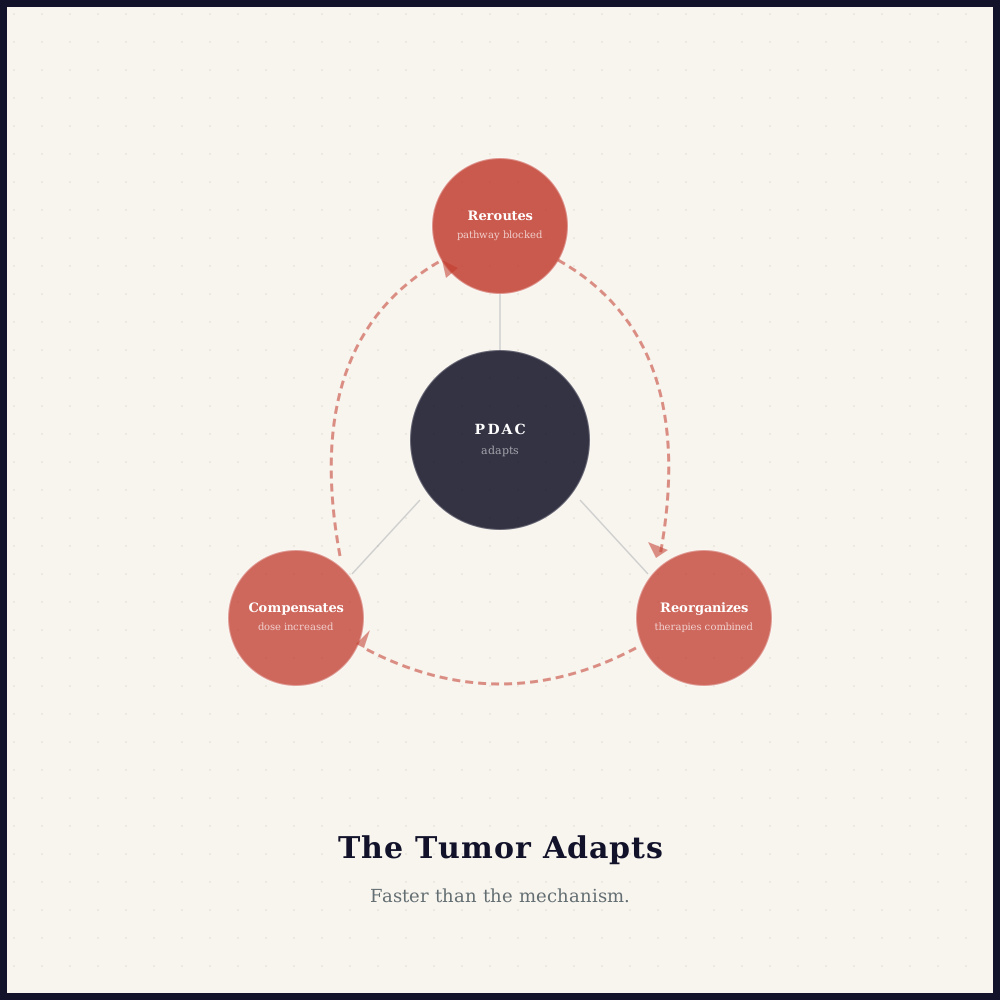
The previous articles in this series have established a consistent picture. PDAC tumors maintain redundant survival signaling across multiple branches. When one pathway is blocked, the network reroutes through the others. When dose is escalated, compensatory mechanisms absorb the additional pressure. When therapies are combined, the system reorganizes at a transcriptional and metabolic level to sustain survival. The adaptation cycle is the central biological fact that makes PDAC so resistant to the drugs designed to treat it.
This raises a question that the discussion of CCL-106, CCL-114, and CCL-115 has pointed toward but not yet directly answered. If the tumor can adapt around everything, why can it not adapt around redox perturbation in the same way? What is different about oxidative stress as a therapeutic mechanism that breaks the adaptation cycle rather than triggering it?
The answer lies in the specific position that redox balance occupies in the cancer cell’s biology, and in a structural feature of PDAC cell biology that makes their antioxidant capacity a fixed ceiling rather than an expandable resource.
Every Survival Branch Depends on the Same Redox Environment
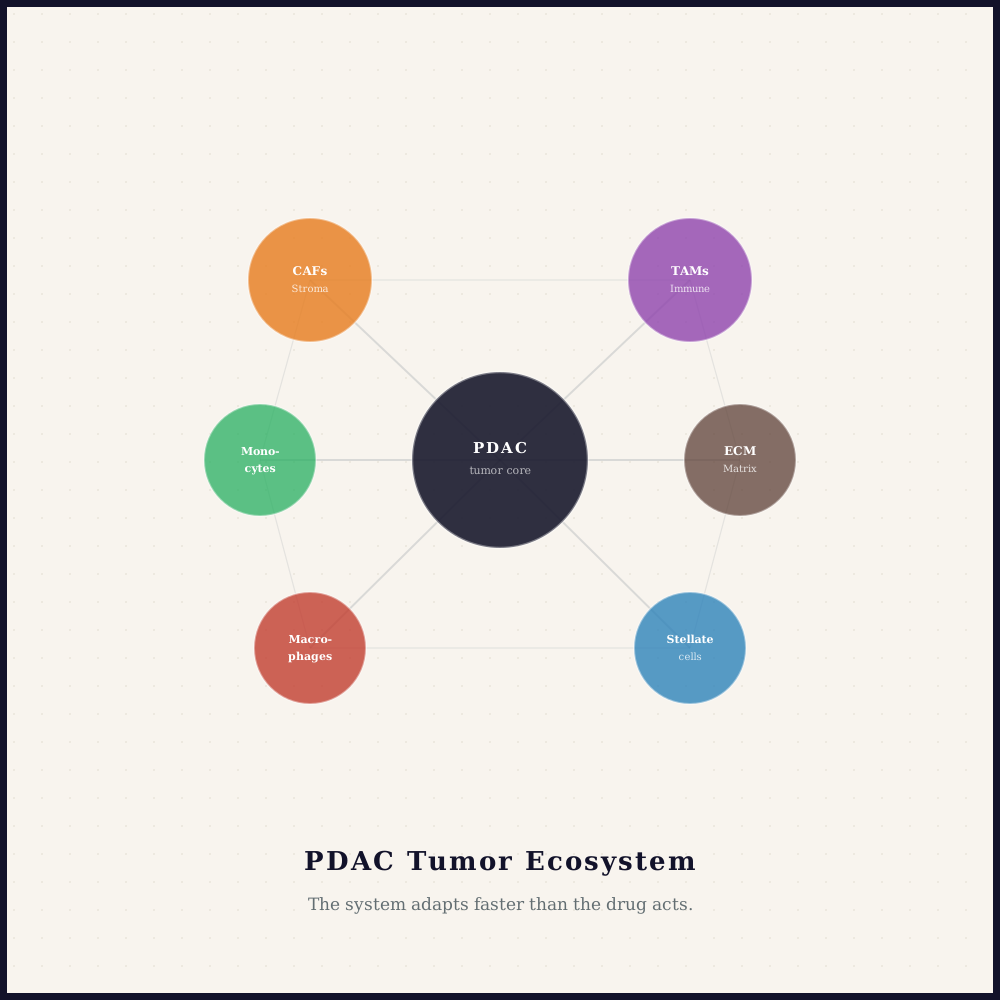
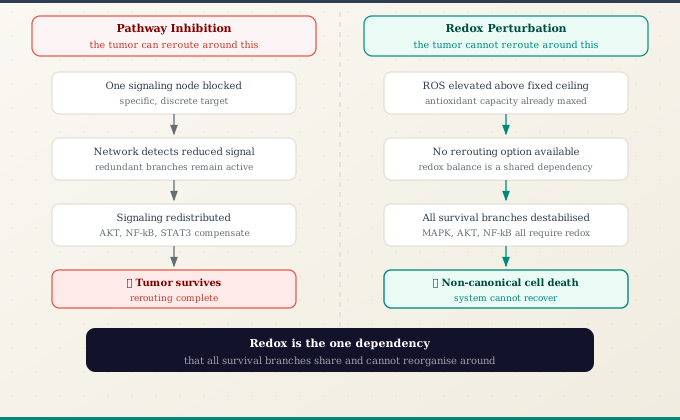
The reason pathway inhibition fails in PDAC is precisely that the network has multiple independent inputs. Block MAPK signaling, and AKT is still functional. Suppress AKT, and NF-kB can maintain survival signaling. The branches are parallel. They share a cancer cell, but they do not share a single biochemical requirement that all of them need simultaneously to operate.
Redox balance is different. It is not a pathway that sits alongside MAPK, AKT, and NF-kB as one of several options. It is a property of the biochemical environment in which all of those pathways function. Every kinase, every transcription factor, every metabolic enzyme that any survival branch depends on requires a stable redox environment to maintain its structure and activity. Proteins fold correctly, catalytic sites remain active, and signaling complexes assemble properly only within a specific range of oxidative conditions.
When redox balance is perturbed beyond that range, the disruption is not selective. It does not hit one branch while leaving others intact. It destabilises the biochemical environment on which the entire network depends simultaneously. MAPK signaling cannot reroute to AKT if AKT’s own function is equally compromised by the same oxidative conditions. The rerouting mechanism that defeats pathway inhibitors requires functional alternative branches. Redox perturbation removes the functionality of those alternatives at the same time it removes the primary target.
The Fixed Antioxidant Ceiling in PDAC Cells
The second reason PDAC cannot adapt around redox perturbation relates to a specific feature of PDAC cell biology that distinguishes it from the biology of normal cells. PDAC cells already operate under constitutively elevated oxidative stress. The same metabolic reprogramming that drives their aggressive growth, their use of macropinocytosis and autophagy for nutrient scavenging, and their survival in the hypoxic tumor microenvironment generates reactive oxygen species at a rate that far exceeds what normal cells produce.
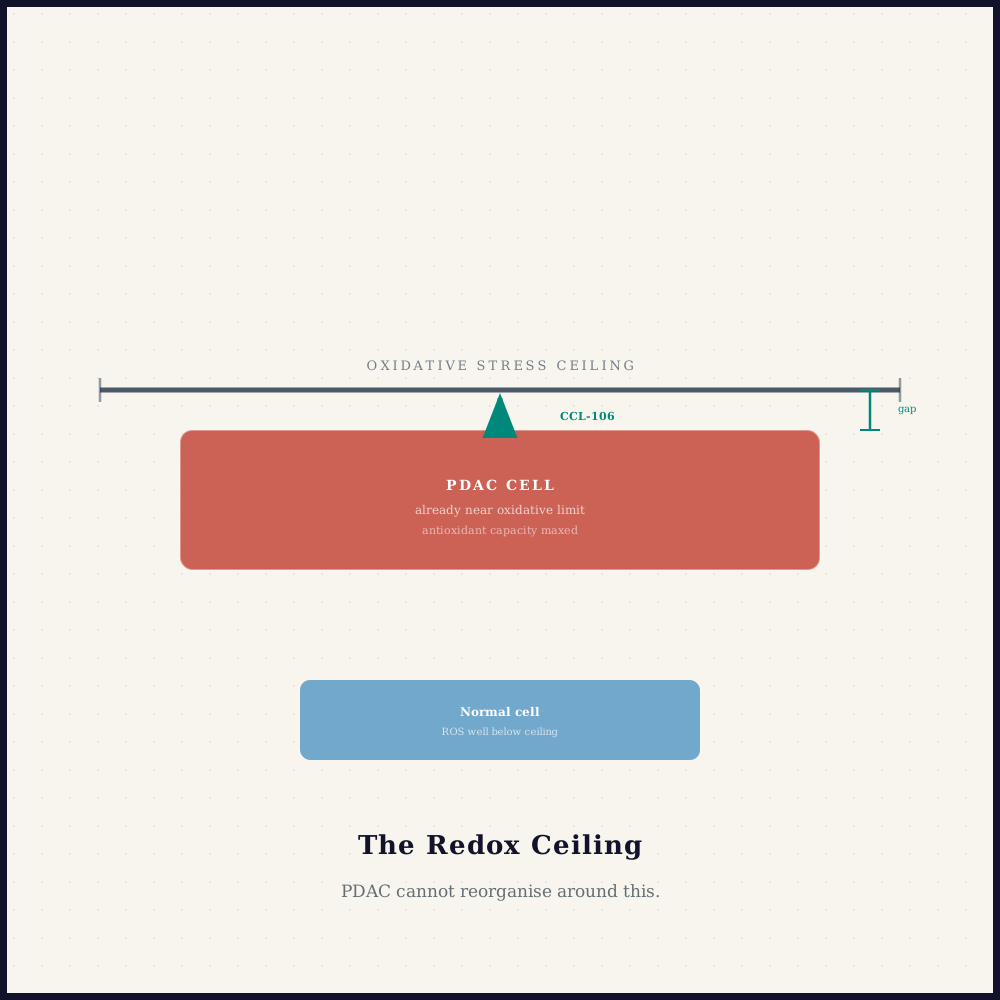
To survive this endogenous oxidative burden, PDAC cells upregulate their antioxidant systems, primarily glutathione synthesis, thioredoxin activity, and the broader suite of enzymes that neutralize ROS and repair oxidative damage. These systems are already running near their maximum capacity under baseline conditions. The cancer cell is not operating with a large reserve of untapped antioxidant capacity. It is operating close to its ceiling.
This creates the vulnerability that redox perturbation exploits. Normal cells, which are not under the same constitutive oxidative pressure, have substantial antioxidant reserve. When a redox-active compound increases ROS levels, normal cells can draw on that reserve to neutralize the additional burden and remain within a tolerable oxidative range. PDAC cells have no such reserve. The same additional ROS burden that a normal cell manages comfortably pushes a PDAC cell over the threshold at which cellular function can be maintained.
This is not a small or marginal difference. It is a structural differential built into the biology of the cancer cell by the very metabolic adaptations that allow it to survive and proliferate in the tumor microenvironment. The cancer cell’s metabolic aggressiveness creates the vulnerability that redox perturbation targets.
Why the Adaptation Cycle Cannot Engage
Understanding these two features together explains why the adaptation cycle that defeats pathway inhibitors does not apply to redox perturbation in the same way. For rerouting to occur, alternative signaling branches must remain functional. Redox perturbation removes that condition by destabilising the biochemical environment that all branches require.
For compensation to occur, the cell must be able to upregulate a system that can absorb the additional therapeutic stress. Redox perturbation attacks a system that is already maximally upregulated. There is no reserve of antioxidant capacity to recruit in response to the insult.
For reorganization to occur at the transcriptional level, the transcriptional machinery itself must remain functional. The transcription factors and chromatin remodeling enzymes that would execute a reorganization response are themselves sensitive to oxidative conditions. A sufficient degree of redox perturbation compromises the cell’s ability to mount the transcriptional response that would be needed to adapt.
The result is a form of therapeutic pressure that the cancer cell’s adaptive machinery is structurally unable to address through the mechanisms it deploys against every other class of drug. Not because the cell has not tried to develop resistance to oxidative stress, it has, but because the degree of upregulation it has already performed to survive its own metabolic burden leaves it with no additional capacity to deploy when that burden is further increased.
What This Means for CCL-106, CCL-114, and CCL-115
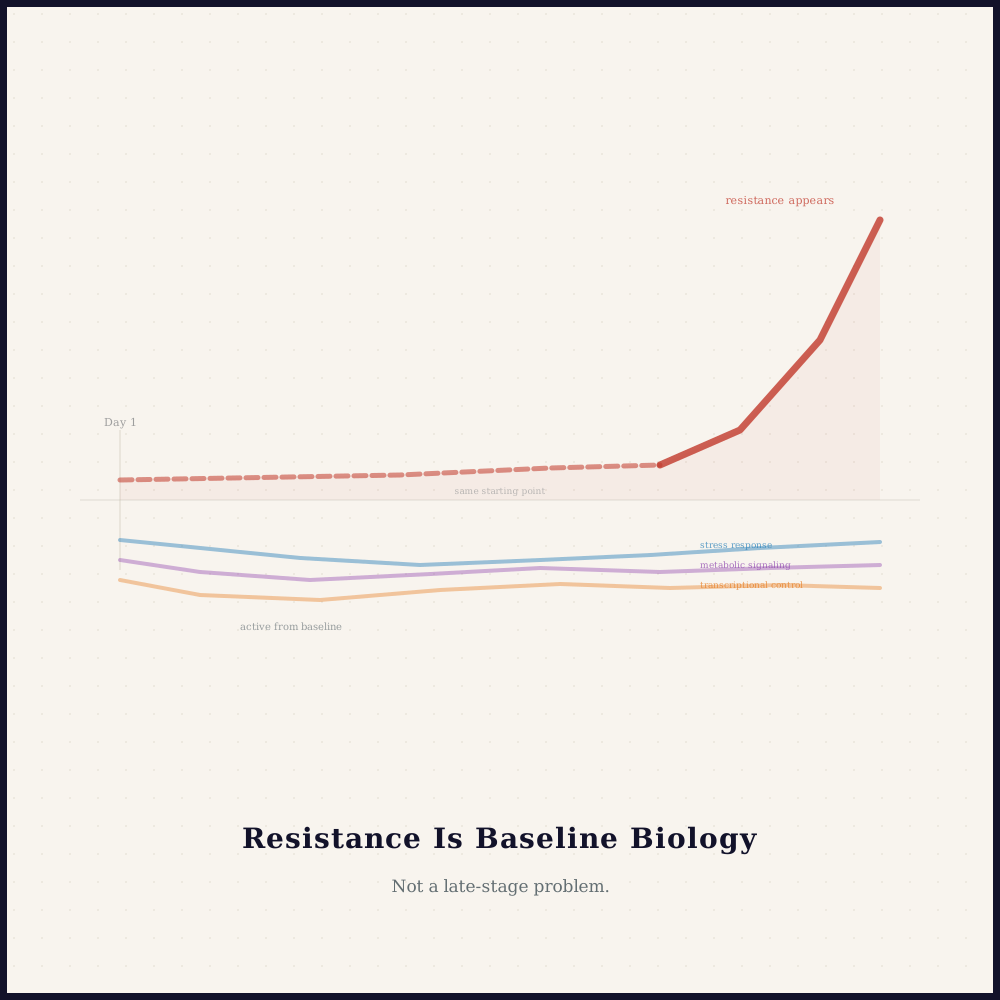
The in vivo activity of CCL-106, CCL-114, and CCL-115 across multiple PDAC model systems, including the MIA PaCa-2 CDX model, the Miapaca-2 unilateral transplantation model, and the PC041917 PDX model, is consistent with this mechanistic framework. These compounds produce tumor growth inhibition that is maintained over time, not the transient response followed by rapid resistance that characterizes pathway inhibitor activity in the same models. Combination with chemotherapy improves outcomes rather than simply adding toxicities, which is consistent with a mechanism that depletes the adaptive reserve the cancer cell would otherwise use to resist the chemotherapy.
None of this constitutes full mechanistic proof. The precise molecular events between redox perturbation and the non-canonical cell death that these compounds produce remain under active investigation. But the pattern of activity across resistant models, combined with the absence of the rapid resistance emergence that defines the pathway inhibitor experience in PDAC, is consistent with a mechanism that engages the one dependency the tumor cannot reorganize around.
Conclusion
PDAC cannot adapt around redox perturbation for two reasons that are grounded in its own biology. First, redox balance is a shared biochemical dependency that all survival branches require simultaneously, which means there is no functional alternative to reroute to when it is disrupted. Second, the antioxidant systems PDAC cells maintain are already operating near their maximum capacity under baseline conditions, which means there is no adaptive reserve to deploy when additional oxidative stress is imposed. The adaptation cycle that makes PDAC so resistant to targeted therapy requires functional alternative pathways, expandable compensatory mechanisms, and an intact transcriptional apparatus. Sufficient redox perturbation removes all three conditions at once. That is why this approach produces in vivo separation where others do not, and why it represents the mechanistic direction most likely to generate durable results in a disease that has consistently defeated the drug programs designed around other principles