




Introduction
Quantitative polymerase chain reaction is often described as a technique for amplifying nucleic acids. While amplification is part of the workflow, it is not the true value of the method. In applied molecular biology, qPCR exists to reduce uncertainty. Its purpose is to provide confidence in biological decisions at stages where ambiguity can quietly derail entire programs.
Modern research programs rely on early confirmation of gene expression trends, pathway activation, and molecular target engagement. When these questions are answered with weak data or loose assumptions, downstream experiments inherit that uncertainty. qPCR plays a critical role by transforming subtle biological signals into clear and defensible evidence.
Why Decision Confidence Matters More Than Signal Strength
In biological systems, failure rarely announces itself loudly. Gene expression changes can be small yet meaningful. Pathway activation may be transient or context dependent. Target engagement can appear plausible without being real. Without rigorous measurement, these signals can be misinterpreted or missed entirely.
qPCR enables researchers to quantify changes with precision rather than relying on qualitative impressions. The value lies not in producing large signals, but in distinguishing real biological effects from noise. This distinction allows teams to make informed decisions earlier and avoid committing resources to weak hypotheses.
The Role of Instrument Quality in Reducing Assumptions
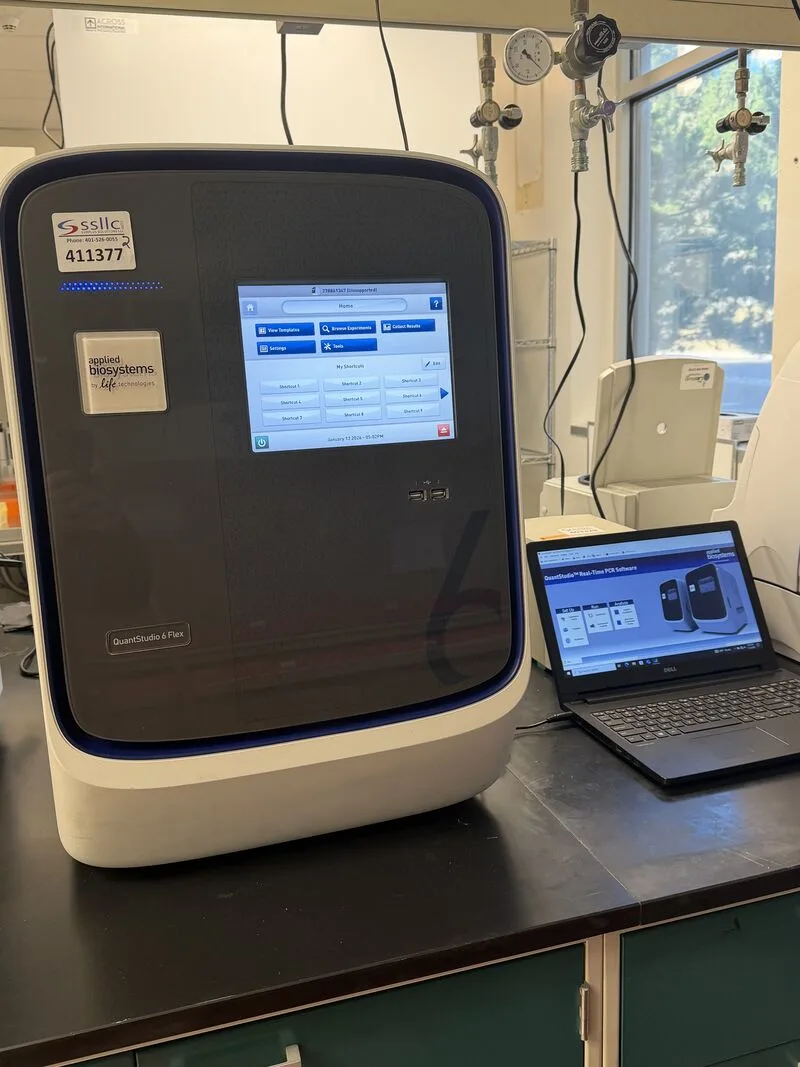
The reliability of qPCR data depends heavily on instrument performance. Thermal uniformity, optical sensitivity, and reproducibility directly influence confidence in results. High quality systems reduce variability and minimize technical artifacts that can masquerade as biology.
By removing ambiguity at the measurement stage, researchers reduce the number of assumptions carried forward. Cleaner data shortens validation cycles and increases trust across teams. When results are consistent and interpretable, biological questions can be answered faster and with greater certainty.
qPCR as a Foundation for Strong Experimental Design
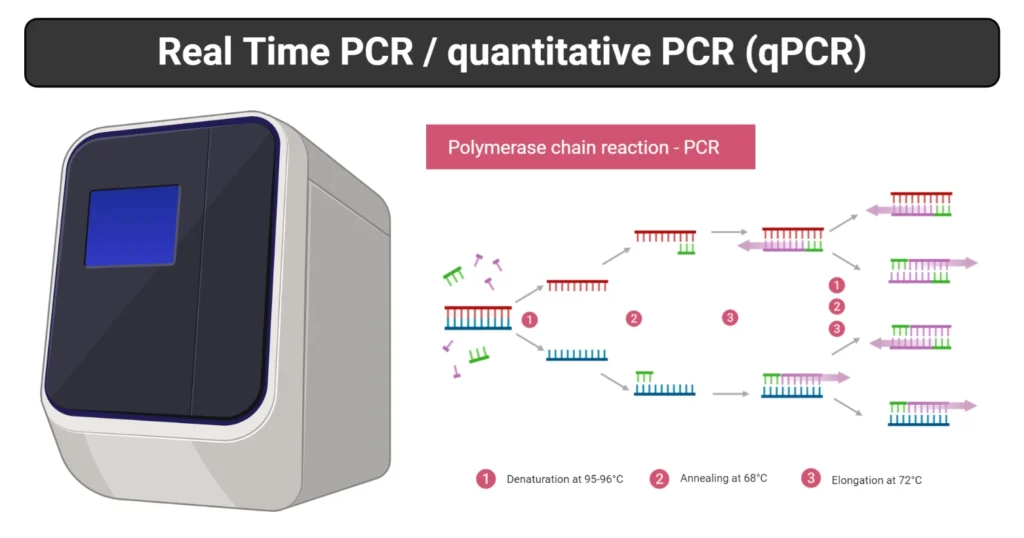
Gene expression analysis, pathway confirmation, and target engagement studies form the backbone of many molecular biology programs. If these foundations are unstable, subsequent experiments are built on guesswork. qPCR provides a quantitative checkpoint that strengthens experimental design.
Rather than chasing dramatic changes, effective biology focuses on reproducibility and clarity. Small but consistent shifts often matter more than large but unreliable ones. qPCR supports this mindset by emphasizing precision and repeatability over raw amplification.
Conclusion
qPCR is not defined by how much DNA it can amplify. It is defined by how effectively it reduces uncertainty in biological research. Confidence in gene expression data and pathway analysis determines whether programs advance or stall.
Better biology does not emerge from louder signals or more aggressive amplification. It emerges from clean data, reduced assumptions, and early clarity. When used as a decision tool rather than a signal generator, qPCR becomes one of the most powerful methods in molecular biology research.