

Introduction
Organic chemistry is often described as the science of making molecules. In practice, its true purpose is far more selective. Every reaction represents a decision about which structures are worth creating and which should be avoided. A laboratory setup will readily generate compounds under a wide range of conditions, but it offers no guidance on whether those compounds are practical, stable, or meaningful beyond the bench.
The distinction between making a molecule and choosing a viable one defines the difference between academic synthesis and usable chemistry. Survivability under real conditions becomes the central constraint long before yield or novelty.
Why Molecule Formation Is the Easy Part
A round bottom flask imposes no strategy. Given reagents and conditions, it will produce products whether or not they make sense downstream. Many molecules can be synthesized that are chemically interesting yet impractical. Some degrade rapidly when exposed to air or moisture. Others require expensive reagents or extreme conditions that limit scalability.
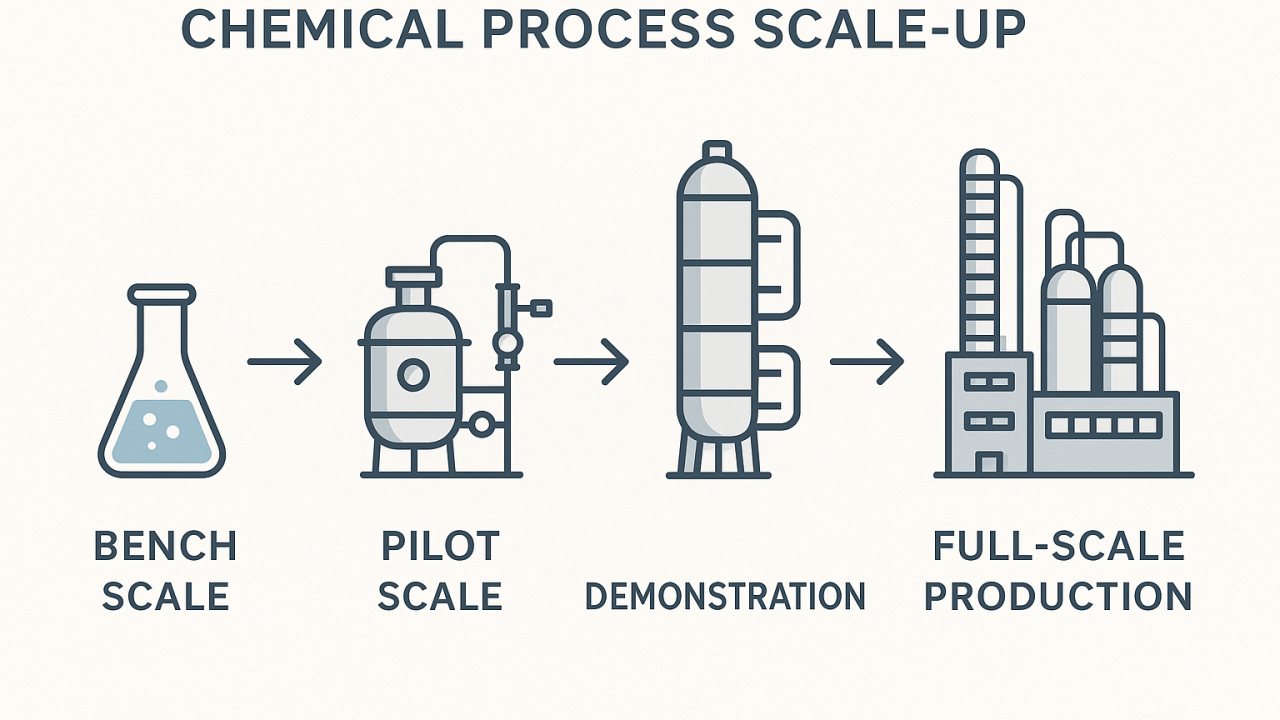
At small scale, these issues can be overlooked. The focus remains on whether the transformation is possible. However, possibility does not equal usefulness. Chemistry that cannot tolerate handling, storage, or scale lacks value outside controlled environments.
Strategic Thinking Happens Before the Reaction
The most important decisions in organic chemistry occur before solvent selection or temperature control. Route selection determines how many steps are required and where risk accumulates. Functional group tolerance defines whether intermediates will survive subsequent transformations. Each choice influences impurity formation, purification difficulty, and overall robustness.
Considering downstream consequences early prevents wasted effort. A slightly longer route with stable intermediates may outperform a shorter but fragile pathway. Strategic planning reduces reliance on heroic purification and minimizes surprises during development.
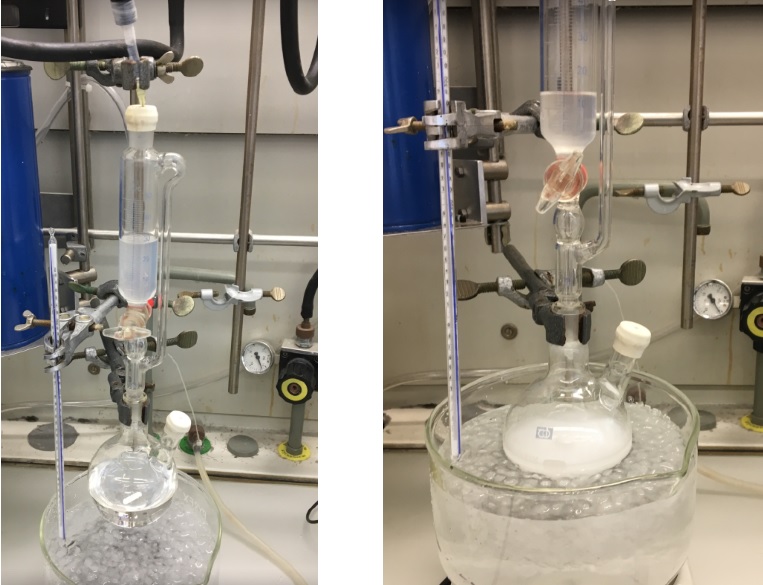
Survivability as the Real Constraint in Chemistry
Synthesis itself is rarely the limiting factor. The real constraint is whether the chemistry survives contact with reality. Reactions must tolerate variability in raw materials. Intermediates must withstand isolation and storage. Final compounds must be manufacturable without excessive cost or risk.
Survivable chemistry balances reactivity with stability. It accepts compromise in favor of reliability. This mindset shifts success criteria from making something new to making something that lasts.
Implications for Research and Development
Viewing organic chemistry as a decision making discipline changes how projects are evaluated. Early emphasis on robustness saves time and resources. It aligns laboratory work with manufacturing realities and increases the likelihood that discoveries translate into usable technologies.
This approach also encourages collaboration between synthetic chemists and process scientists. Together they assess not only what can be made, but what should be made.
Conclusion
Organic chemistry is not defined by the number of molecules synthesized. It is defined by the judgment used to select which molecules deserve further investment. A flask will produce whatever chemistry allows, but it will not enforce practicality.
The most successful chemistry is not the most complex or elegant. It is the chemistry that survives scale, cost constraints, and real world handling. Making molecules is straightforward. Making survivable chemistry is the true challenge.