

Navigating Molecular Complexity through Advanced Liquid Phase Separation
As the cannabis industry matures into a sophisticated pharmaceutical and nutraceutical landscape, the demand for rigorous analytical precision has reached an all-time high. High Performance Liquid Chromatography (HPLC) has emerged as the definitive gold standard for the separation, identification, and quantification of complex chemical matrices. Unlike simpler methods, HPLC utilizes high pressure to drive a liquid mobile phase through a densely packed stationary phase, allowing for the resolution of structurally similar molecules with exceptional accuracy. This technique is not merely a laboratory requirement; it is the foundation of consumer safety and product innovation, providing the granular data necessary to transform raw plant extracts into standardized, high efficacy therapeutic agents.
Fundamental Mechanics of Liquid Phase Separation and Column Dynamics
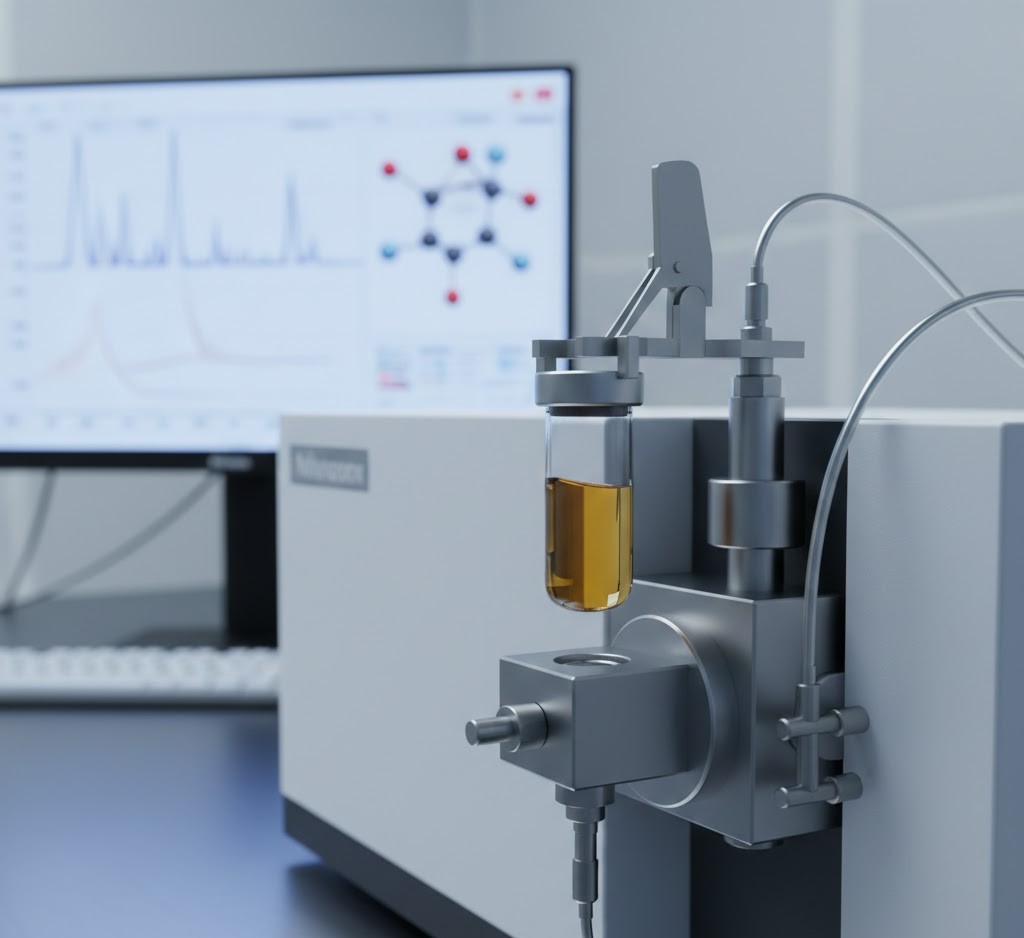
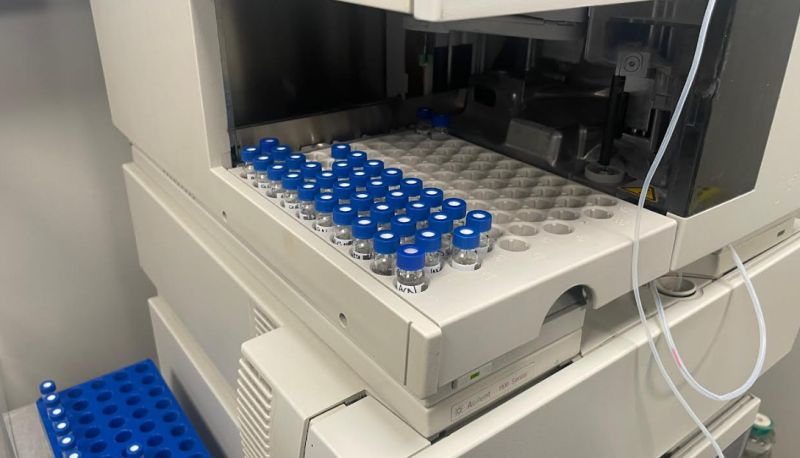
The power of HPLC lies in the controlled interaction between the analyte, the mobile phase, and the stationary phase within a specialized chromatographic column. A liquid sample is injected into a stream of solvent and propelled through a column packed with micron sized particles—typically silica functionalized with specific chemical groups. Separation occurs based on the principle of differential partitioning: molecules with a high affinity for the stationary phase move slowly, while those with a greater affinity for the mobile phase elute more rapidly.
In cannabinoid analysis, Reversed Phase HPLC (RP-HPLC) is the most common modality. In this setup, a non-polar stationary phase is paired with a polar mobile phase, such as a gradient of water and acetonitrile. Because cannabinoids are naturally lipophilic, they interact strongly with the non-polar column packing. By adjusting the solvent gradient, researchers can fine-tune the retention times, ensuring that even closely related isomers are separated with high resolution. This level of control allows for the creation of a detailed chromatogram where each peak represents a unique chemical entity, quantified by its area relative to known standards.
Quantitative Precision and Rigorous Quality Control Protocols
In the production of medical grade cannabis products, precise quantification is a regulatory mandate. HPLC enables the measurement of cannabinoid concentrations with a degree of accuracy that ensures dosage consistency across different batches. This is achieved through the use of sensitive detectors, such as Diode Array Detectors (DAD) or Ultraviolet (UV) detectors, which monitor the eluent at specific wavelengths. By comparing the signal intensity to a certified reference material, laboratory technicians can determine the exact milligrams of active ingredients per gram of product.
Beyond simple potency testing, HPLC is a critical tool for comprehensive quality assurance. It is utilized to detect and quantify minor impurities, residual plant pigments, and degradation markers like Cannabinol (CBN), which can indicate improper storage or processing. By establishing a “purity profile” for every batch, manufacturers can guarantee that their products are free from contaminants and meet the strict safety thresholds required for clinical use. This rigorous oversight is what separates reputable pharmaceutical producers from standard agricultural extractors.
Optimization of Formulations and Research Applications
The versatility of HPLC extends deep into the realms of product development and pharmacokinetics. When creating cannabinoid based pharmaceuticals, such as sublingual oils or transdermal patches, HPLC is used to verify the uniform distribution of active ingredients within the delivery vehicle. It also plays a vital role in stability testing, helping researchers understand how different formulations affect the shelf life and molecular integrity of the cannabinoids over time.
In the clinical research space, HPLC is indispensable for studying the human body’s response to cannabinoid therapy. It is used to analyze biological samples to track how cannabinoids are metabolized and distributed through the blood and tissues. This data is essential for determining bioavailability and identifying the metabolic pathways of various compounds. By providing a clear window into molecular behavior, HPLC facilitates the advancement of scientific knowledge, leading to the development of more targeted and effective treatments for a wide range of medical conditions.
Conclusion
High Performance Liquid Chromatography stands as a cornerstone of modern cannabinoid science, offering the precision and versatility required for high level research and industrial manufacturing. Its ability to deconstruct complex chemical mixtures into clear, quantifiable data points ensures that the industry can maintain the highest standards of safety and efficacy. As we continue to uncover the therapeutic potential of rare and minor cannabinoids, the role of HPLC in characterizing these molecules will remain fundamental. Through the continued application of high resolution chromatography, the cannabis industry can ensure a future built on scientific integrity and pharmaceutical excellence.