

Fractional purification in chemical manufacturing is an essential analytical exercise that determines the final quality and therapeutic viability of a compound. While many assume the process ends once a compound is “pure” after workup, industry experts know that the real challenge lies in post-workup decision-making. Achieving success in fractional purification in chemical manufacturing requires a deep understanding of molecular integrity, as identical methods can yield vastly different fractions that necessitate high-stakes decisions under tight deadlines.
The Analytical Complexity of Post-Workup Decisions
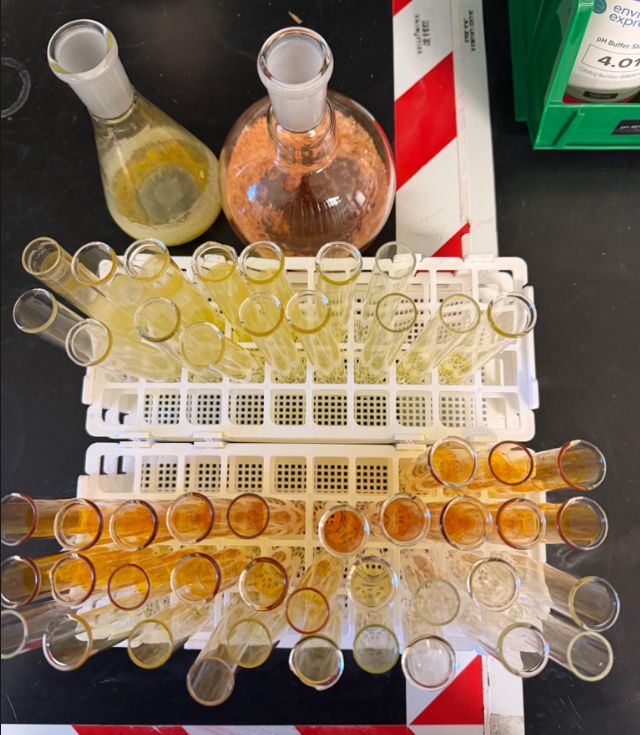
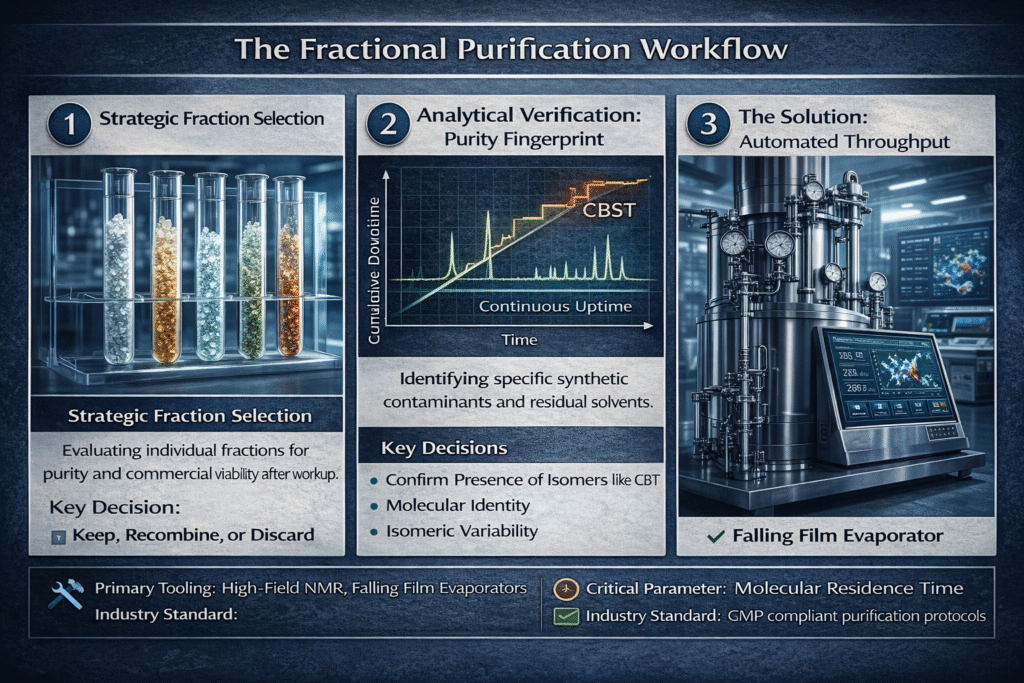
In large-scale production, the act of obtaining crystals is secondary to the strategic evaluation of those crystals. When managing fractional purification in chemical manufacturing, researchers must decide which fractions are worth keeping, which should be recombined, and which must be discarded. This is not merely a laboratory preference but a critical business decision that impacts total throughput and batch consistency.
The difficulty of fractional purification in chemical manufacturing is compounded by the presence of synthetic byproducts that only high-resolution analytical tools can detect. For instance, Nuclear Magnetic Resonance (NMR) spectroscopy is often used to identify minute impurities that standard chromatography might miss. Identifying these diagnostic peaks ensures that only the highest quality molecular fingerprints proceed to the final stages of production.
Protecting Molecular Stability at Scale
Once the correct fractions are selected, they must be protected from thermal degradation. In the context of fractional purification in chemical manufacturing, the final removal of solvents can be a high-risk stage. Prolonged exposure to heat can degrade sensitive molecular scaffolds, turning a “pure” fraction into a sub-par product.
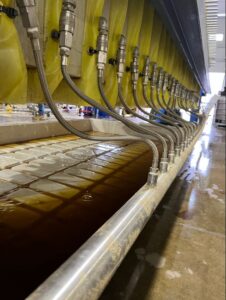
To maintain stability, facilities utilize thin-film evaporation techniques to minimize residence time at elevated temperatures. Utilizing automated equipment like a Falling Film Evaporator (FFE) allows for the rapid concentration of fractions without the repetitive thermal cycles of traditional batch systems. This automation is a cornerstone of efficient fractional purification in chemical manufacturing, as it ensures that high-quality selected crystals retain their intended binding affinity and structural potency.
Engineering Solutions for Throughput Bottlenecks
A significant part of mastering fractional purification in chemical manufacturing involves managing the mechanical hardware used in the process. When operations move from 1 liter to 50 liters, chemistry stops being the primary hurdle, and engineering takes over. Cumulative mechanical failures—such as seal creep or pump fatigue—can quietly introduce contaminants into a pure batch.
By integrating automated monitoring systems, such as the TruSteel AV30-02, facilities can track vacuum levels and temperature gradients in real-time. This data-driven approach allows for a more robust execution of fractional purification in chemical manufacturing, ensuring that every selected fraction is processed under identical, optimized conditions. This reliability is vital for meeting deadlines and maintaining a competitive edge in a demanding market.
Conclusion
Success in high-purity production is defined by the rigorous execution of fractional purification in chemical manufacturing. It is a discipline that requires a balance of analytical chemistry and precision engineering. By prioritizing the selection of the best fractions and utilizing automated hardware to protect those molecules, industry leaders can ensure consistent quality at scale. As we continue to refine these processes, the ability to manage these cumulative variables will remain the foundation of professional chemical research and development.