

Introduction
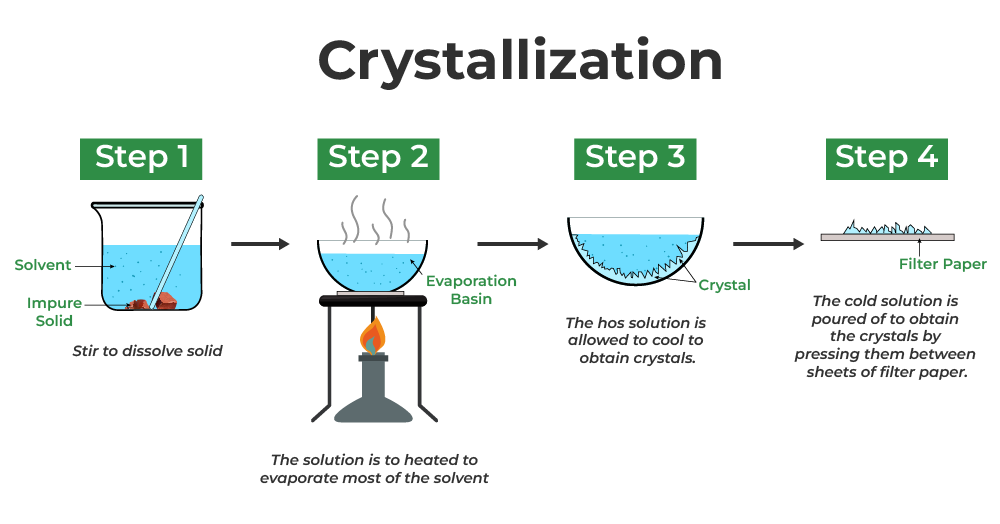
Crystallization is often treated as a defining step in chemical development. In small laboratory settings it appears controlled, repeatable, and even forgiving. Clear solutions yield solids with pleasing morphology, and success is judged visually as much as analytically. This early confidence can be misleading. Crystallization only becomes meaningful when it remains stable and reproducible as material quantities increase.
At larger volumes, crystallization stops being an isolated laboratory event and becomes a full process operation. Physical behavior begins to dominate outcomes, and crystals that formed effortlessly in a vial may behave very differently when kilograms are required. Understanding this transition is critical for chemists and process scientists working toward scalable and reliable manufacturing.
Why Small Scale Crystallization Feels Easy
At small scale, crystallization benefits from ideal conditions. Heat exchange is efficient, mixing is uniform, and nucleation events are easily influenced through agitation or cooling rate. Solvent volumes are generous relative to solids, which reduces sensitivity to impurities and local concentration effects.
These conditions create an impression that crystal growth is inherently manageable. However, this impression is built on systems that eliminate many of the stresses present at higher volume. What works in milligram quantities often relies on physical advantages that disappear as scale increases.
What Scale Reveals About Crystal Behavior
As volume grows, crystallization becomes sensitive to factors that were previously insignificant. Heat transfer slows and temperature gradients emerge. Mixing becomes uneven, leading to localized supersaturation. Nucleation becomes harder to control, often producing excessive fines or broad particle size distributions.
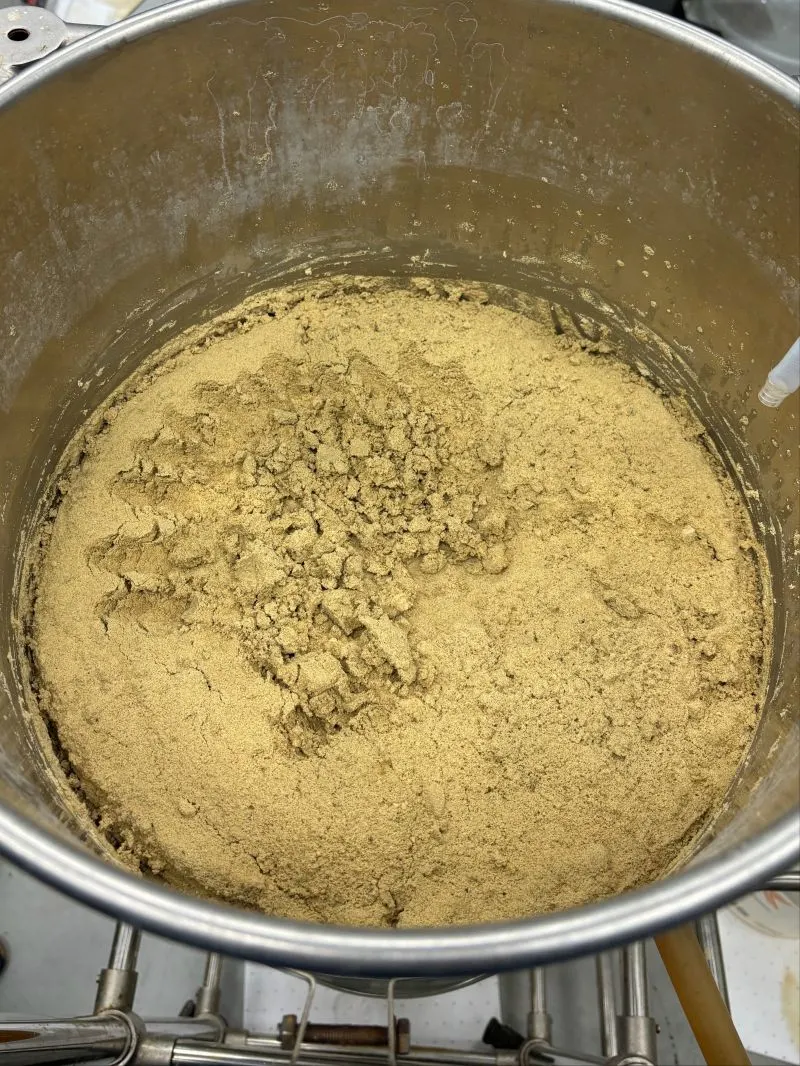
Filtration behavior also changes dramatically. A crystal that filters cleanly at small scale may blind filters or compact under its own weight when processed in bulk. These outcomes are not random. They reflect how the system responds to physical constraints that were absent earlier.
Scale does not damage crystallization. It reveals how well the process was understood.
Crystallization as a Process Step Rather Than a Chance Outcome
Successful crystallization at scale requires intentional design. Solvent selection must consider not only solubility but also viscosity and thermal properties. Cooling profiles must be defined with realistic heat removal limits in mind. Nucleation and growth must be managed to produce solids that behave predictably during isolation and drying.
Treating crystallization as a repeatable process step shifts the focus from appearance to performance. The goal is not visual perfection but consistent behavior under real operating conditions. This approach reduces reliance on luck and increases confidence in long term operation.
Why Behavior Matters More Than Appearance
A crystal that looks ideal in a vial offers little value if it fractures, agglomerates, or filters poorly at scale. In contrast, a less attractive solid that grows consistently and handles well is far more useful in manufacturing. Scale rewards systems that tolerate variability and maintain function despite physical limitations.
Crystallization succeeds when it delivers predictable purity, manageable solids, and stable operation across batches. These qualities matter far more than morphology alone.
Conclusion
Crystallization only matters if it remains reliable as volume increases. Small scale success is a starting point, not a guarantee. Scale exposes weaknesses in heat transfer, mixing, nucleation control, and filtration that must be addressed deliberately.
By treating crystallization as a designed process rather than a fortunate event, chemists can build systems that survive real world constraints. Scale does not reward beauty. It rewards behavior.