



Introduction
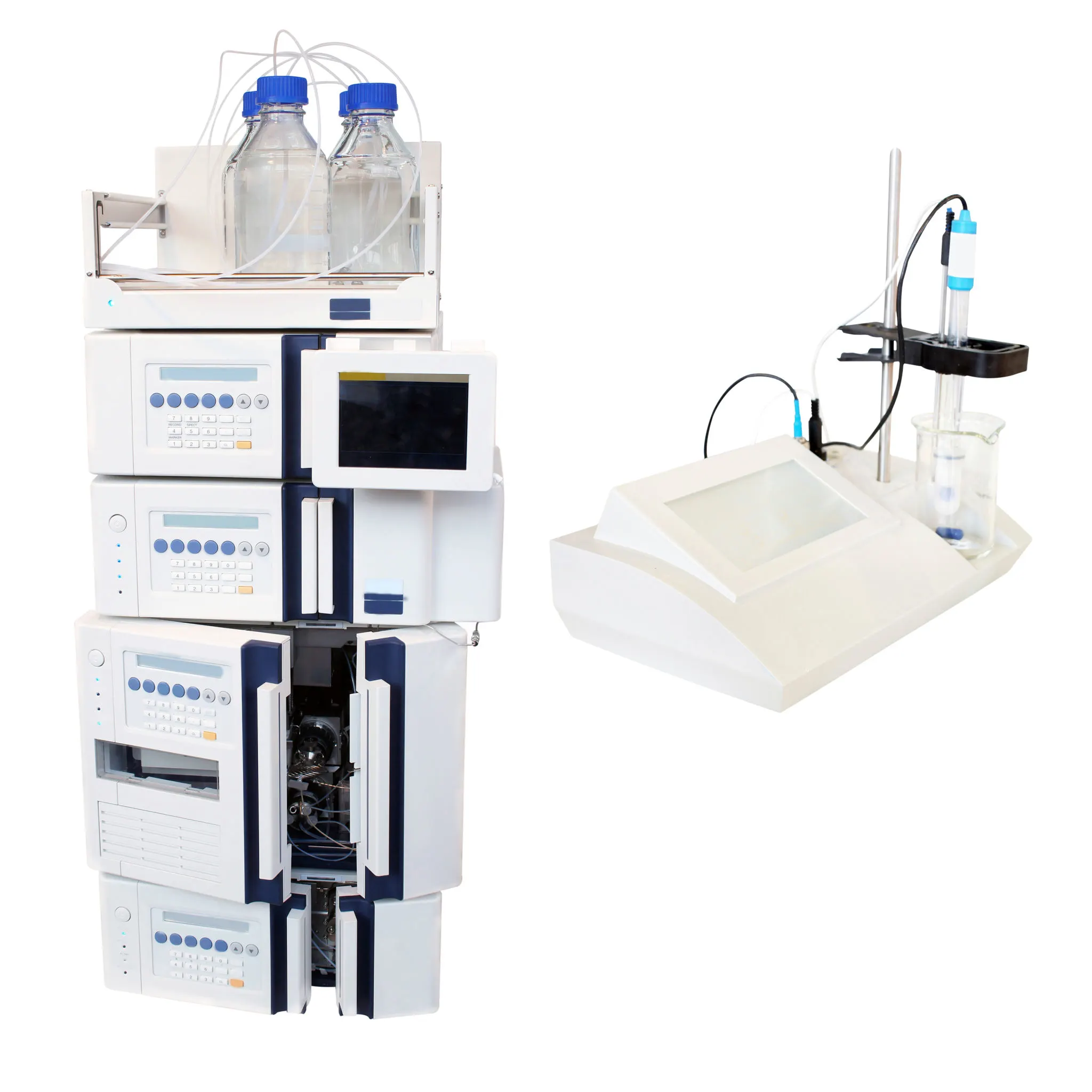
Laboratories invest heavily in analytical chemistry instruments with the expectation that advanced technology automatically creates value. In practice, instruments by themselves produce no impact. The real value emerges from the decisions that scientists make using the data those tools generate. Treating analytical equipment as a simple requirement to be checked off misses its strategic importance.
Chromatography systems spectroscopy platforms and mass analysis tools are not impressive because they exist. They matter because they allow teams to reduce uncertainty earlier in development. When used correctly analytical data guides choices that determine whether a project advances pauses or stops altogether. In modern chemistry decision quality matters more than instrument availability.
Why Instruments Are Capabilities Not Checklists
Analytical tools are often installed late in workflows and used primarily to confirm results. This approach limits their value. Instruments become passive observers rather than active drivers of strategy. A capability mindset changes this dynamic.
When treated as capabilities analytical instruments enable rapid learning. They reveal reaction behavior impurity formation and stability concerns while changes are still easy to make. This early insight prevents teams from investing time and resources in directions that cannot succeed. The difference lies not in owning the equipment but in integrating it into daily decision making.
Using Data to Identify Risk Early
Many chemical failures occur quietly. Reactions appear acceptable at small scale while hidden problems accumulate. Analytical data uncovers these issues before they escalate. Chromatographic profiles can expose impurity growth trends. Spectroscopic data can reveal structural instability. Mass analysis can identify unexpected species that threaten downstream performance.
By identifying failure modes early teams reduce reliance on assumptions. Poor pathways can be stopped quickly and promising ones refined with confidence. This proactive use of data lowers development risk and shortens timelines.
Analytical Insight as a Driver of Manufacturing Readiness
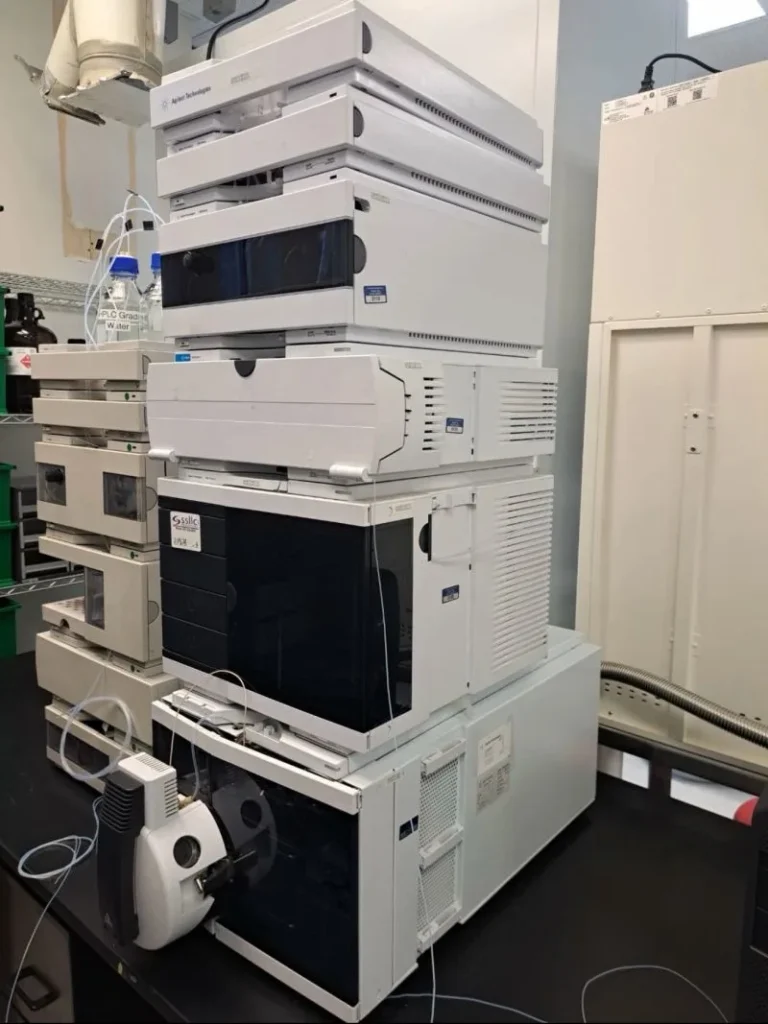
Downstream manufacturing depends on decisions made upstream. Analytical insight informs whether a process is robust enough to scale. Understanding purity profiles stability margins and variability tolerance allows teams to design processes that survive real world conditions.
Rather than collecting data at the end analytical measurements guide whether work should continue at all. This approach aligns laboratory science with manufacturing realities. It ensures that only viable chemistry moves forward.
Conclusion
Analytical chemistry instruments do more than measure molecules. They shape strategy by enabling earlier clearer and more confident decisions. Treating them as checkboxes wastes their potential. Treating them as core capabilities transforms how chemistry programs evolve.
Value is created not when data is collected but when it is used to guide action. In that sense instruments do not just support chemistry. They define how smartly it is pursued.