




Introduction
Cannabinoid based oncology research is gaining momentum as scientists explore novel chemical space beyond traditional anticancer scaffolds. Progress in this field depends on the ability to rapidly evaluate how structural modifications influence biological activity across relevant protein targets and cellular models. By combining computational modeling with experimental validation, research teams can move efficiently from hypothesis to confirmation. This integrated workflow allows promising scaffolds to be refined with precision, increasing the likelihood of achieving clinically meaningful potency.
Discovery of a Novel Cannabinoid Scaffold
The identification of a new chemical scaffold represents a critical milestone in any oncology program. Novel scaffolds offer the potential to engage biological targets in previously unexplored ways, which is particularly valuable in cancer research where resistance mechanisms often limit the effectiveness of established drug classes. Once a scaffold is identified, early evaluation focuses on whether it can interact with proteins implicated in disease progression. Computational platforms such as StarDrop enable rapid structure activity relationship analysis by comparing new compounds with ligands observed in experimentally determined protein structures. This comparison provides an early indication of whether the scaffold is capable of meaningful target engagement.
Structure Activity Relationships and Binding Affinity Trends
Structure activity relationship analysis serves as a quantitative bridge between molecular design and biological outcome. By tracking predicted binding constants relative to reference ligands from crystal structures, researchers can determine whether successive structural changes improve or weaken affinity. These trends help guide rational optimization by highlighting which functional groups contribute most strongly to binding. As data accumulates, changes in predicted binding values act as a directional signal, allowing teams to prioritize compounds that are moving toward higher affinity and deprioritize those that diverge from the desired profile.
Experimental Validation in Cancer Cell Models
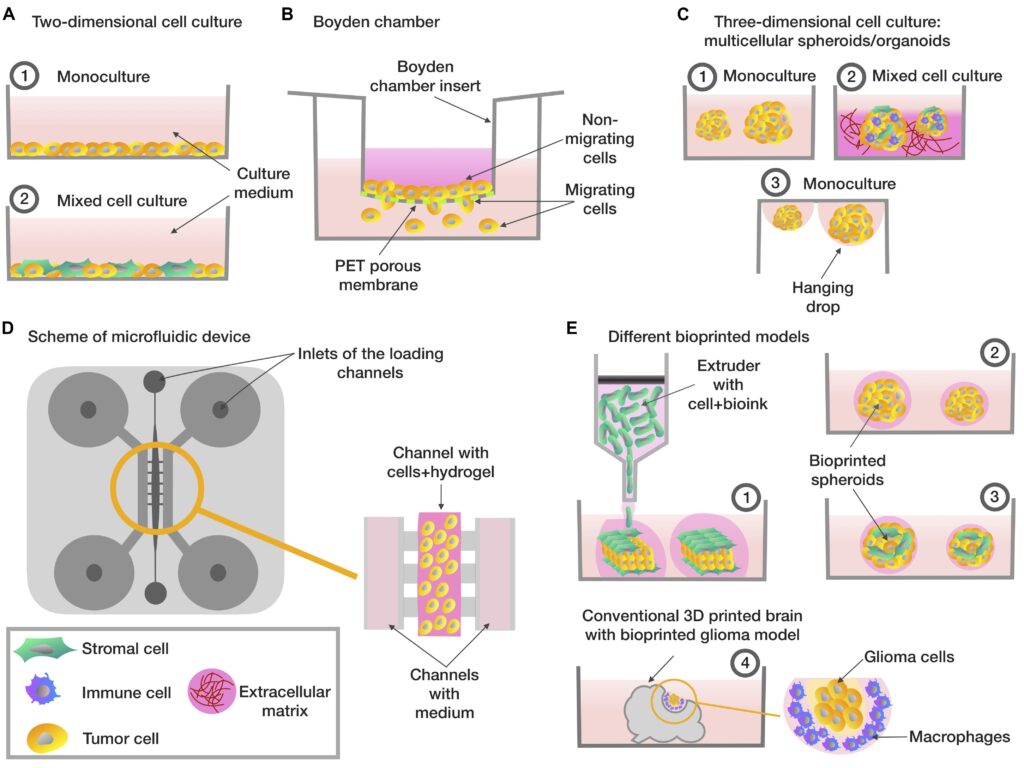
Computational predictions must ultimately be validated through laboratory experimentation. Cellular assays provide essential confirmation that binding hypotheses translate into functional effects within biological systems. Observing activity across multiple cancer cell lines strengthens confidence that the scaffold has broad therapeutic relevance. When experimental potency does not yet meet target thresholds, structural insights from modeling can inform focused modifications aimed at improving inhibitory concentration values. This iterative cycle of prediction and validation accelerates optimization while minimizing unnecessary synthesis.
Conclusion
The convergence of computational SAR analysis and experimental oncology is transforming how novel cannabinoid scaffolds are advanced. By continuously comparing predicted binding affinity with experimental outcomes, researchers gain a clear framework for improving potency through structure guided design. As this approach matures, it offers a powerful pathway for translating innovative chemistry into viable anticancer candidates with the potential to impact future therapeutic strategies.