

Introduction
Product ownership is often discussed in terms of intellectual property formulation or manufacturing capability. Yet one of the most overlooked aspects of ownership is control over supply. When a product relies on a single external supplier for a critical input true ownership is limited. What appears efficient during early development can become a structural weakness as demand increases and operations scale.
In research driven and industrial settings supply decisions made early often persist longer than intended. Single source materials may feel convenient predictable and cost effective. Over time however they introduce exposure that no amount of internal optimization can fully offset. Supply chain resilience is not a logistical detail. It is a fundamental component of the product itself.
Why Single Source Inputs Feel Efficient Early
During early development simplicity is attractive. Working with one supplier reduces coordination effort accelerates qualification and keeps focus on core science. Lead times are manageable volumes are small and relationships feel stable. Under these conditions single sourcing appears rational.
However early conditions rarely reflect future realities. As volume increases tolerance for delays decreases. Minor disruptions that were once manageable become operational threats. The efficiency gained early is often borrowed against future risk.
How Scale Exposes Supplier Dependence
At scale dependency becomes visible. Lead times extend unexpectedly as suppliers prioritize larger customers or face capacity limits. Quality variation emerges due to changes in raw material sourcing or process adjustments outside your control. Pricing shifts reflect market pressures rather than partnership goodwill.
When only one supplier exists every external change becomes internal risk. Production schedules research timelines and customer commitments are all affected. The organization becomes reactive rather than strategic because it lacks alternatives.
Redundancy as a Design Choice Not a Backup Plan
Redundancy is often viewed as unnecessary cost. Qualifying additional suppliers requires time resources and validation effort. In reality redundancy is part of product design. It defines how resilient the product is to external variation.
Multiple qualified sources provide leverage stability and optionality. They allow organizations to respond to disruption rather than absorb it. The cost of redundancy is predictable. The cost of dependency is not.
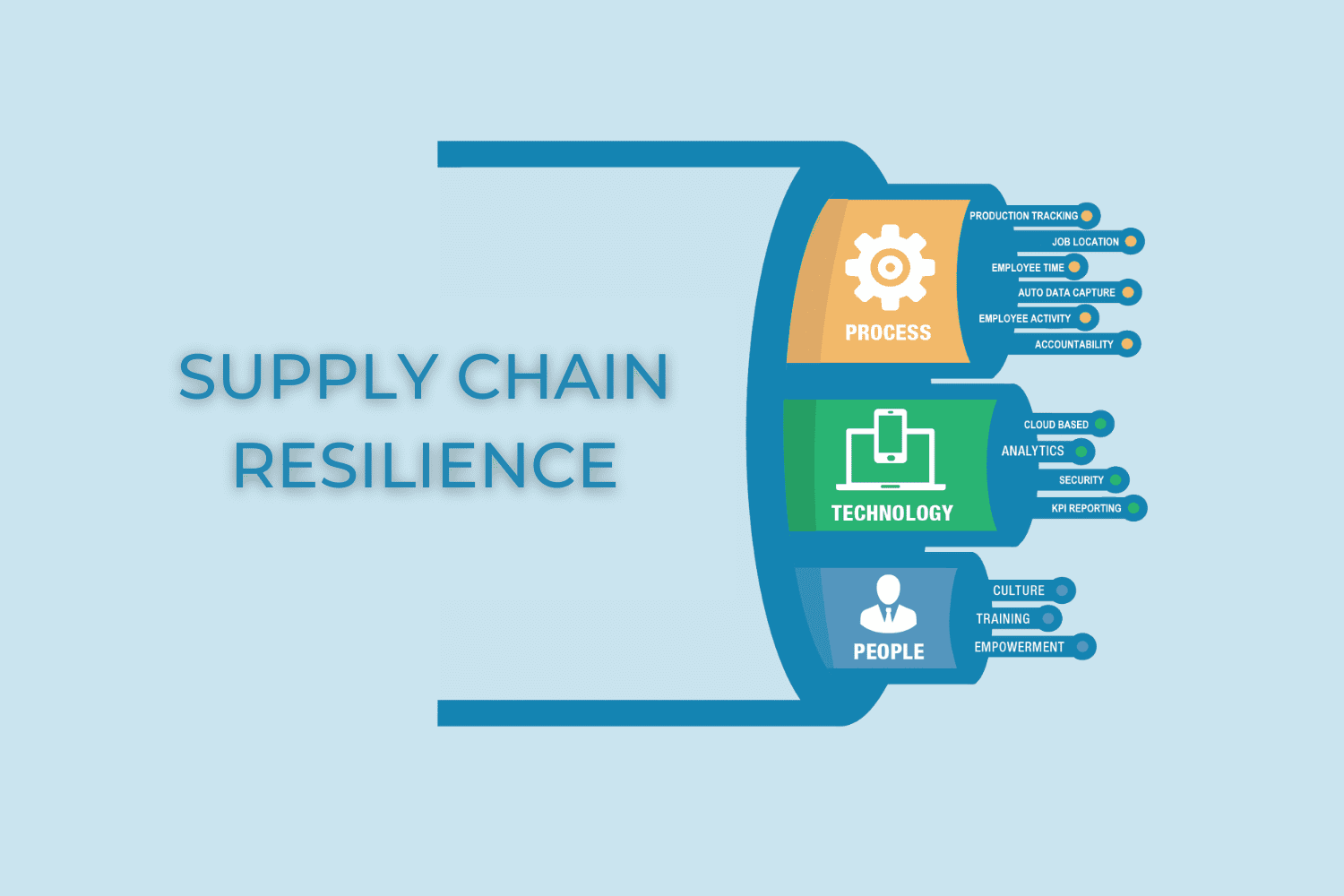
Supply Chain Resilience as Part of the Product
A product that cannot be produced reliably is incomplete regardless of technical merit. Supply chain resilience determines whether quality delivery and pricing can be maintained over time. It influences customer trust regulatory confidence and long term viability.
Treating supply resilience as a core requirement aligns development with reality. It ensures that growth does not amplify fragility. Ownership extends beyond formulation into the network that sustains it.
Conclusion
If a product relies on a single supplier it remains vulnerable to forces beyond its control. Early efficiency should not obscure long term exposure. True ownership includes the ability to adapt when conditions change.
Supply chain resilience is not an optional optimization added later. It is part of the product definition. Designing for redundancy early protects value enables scale and turns external uncertainty into manageable risk.